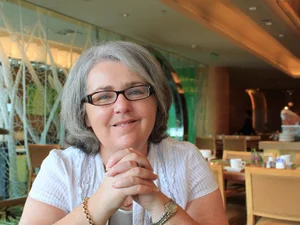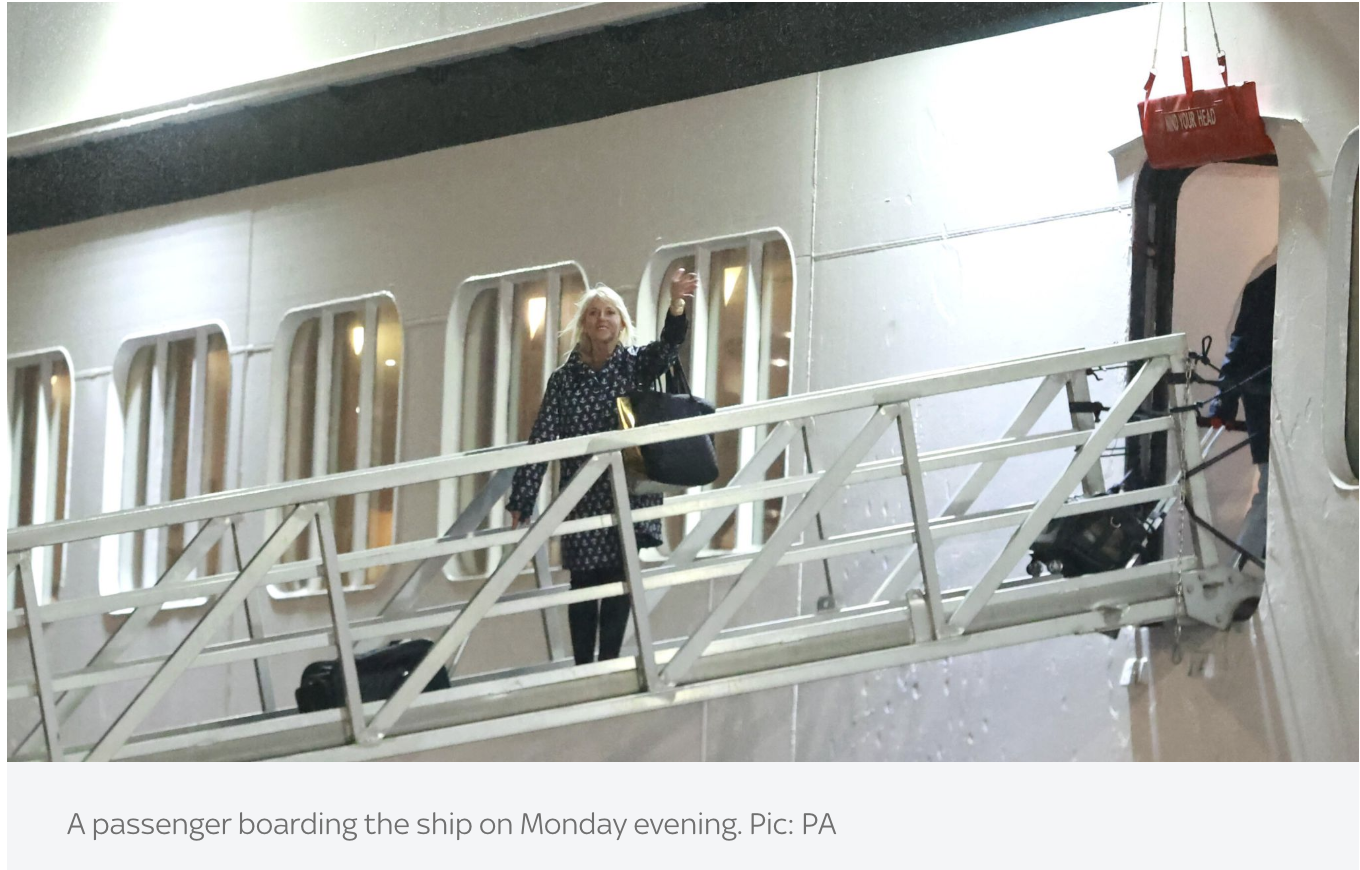
Passenger boarding the ship for the very first time, 30 September, 2024
𝗪𝗵𝗮𝘁 𝗵𝗮𝗽𝗽𝗲𝗻𝗲𝗱 𝘁𝗼 𝗩𝗶𝗹𝗹𝗮 𝗩𝗶𝗲 𝗢𝗱𝘆𝘀𝘀𝗲𝘆?
In October 2026, residential cruise ship Villa Vie Odyssey suspended operations in Sihanoukville, Cambodia, leaving approximately 200 residents facing an unexpected departure from their floating home. The company cited soaring fuel costs, while residents reported earlier financial difficulties, disrupted services and requests for additional funding. The situation raised serious questions about the sustainability of long-term residential cruising.
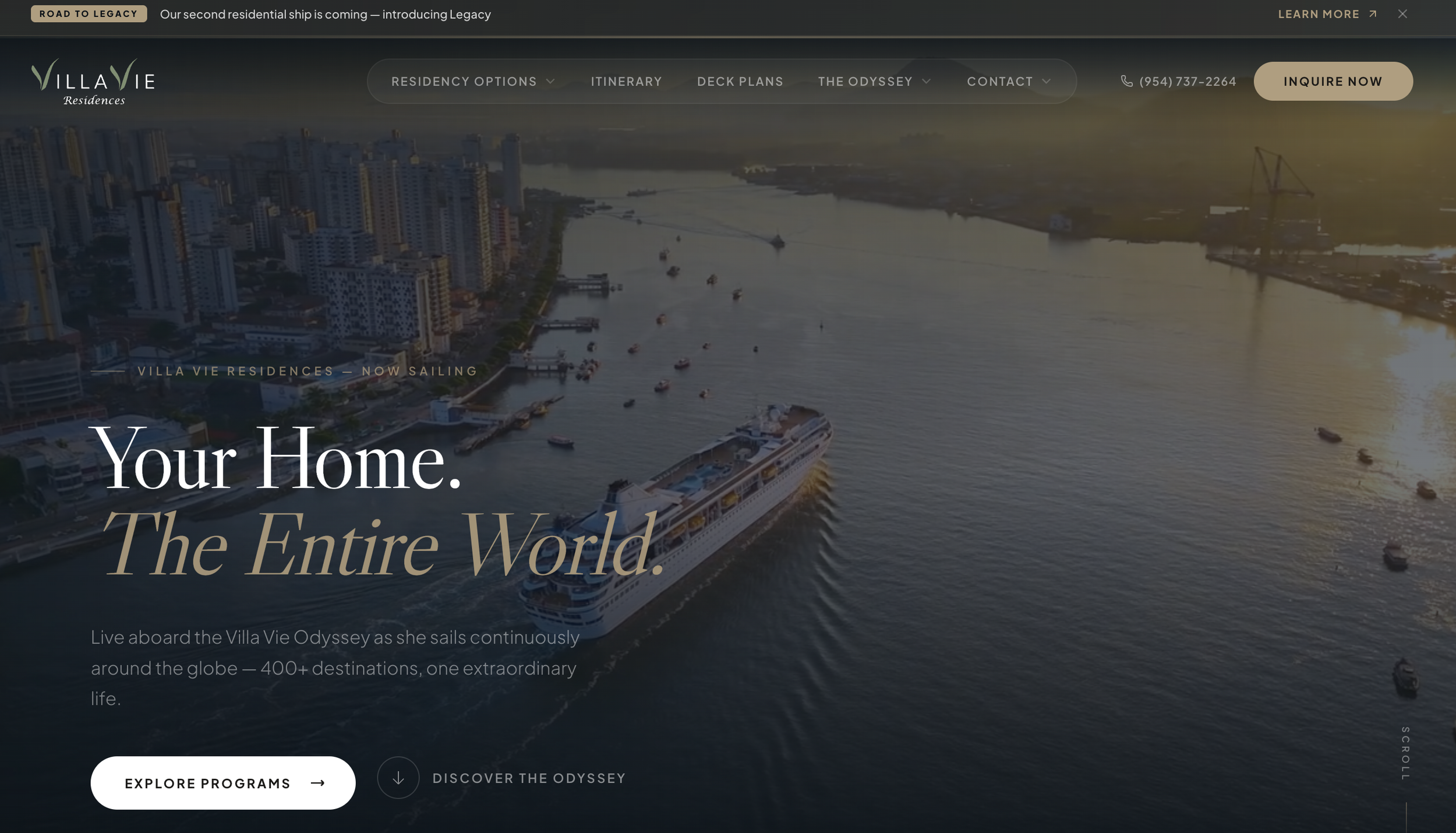
Villa Vie Residences' website, captured 4 November 2026, continued to promote the Odyssey's worldwide residential cruising programme following reports that operations had been suspended in Cambodia.
They sold their homes, invested their savings and set sail on an endless adventure. Then, in Cambodia, residents were reportedly given just seven hours to leave the ship they called home.
Imagine selling your house, disposing of most of your possessions and moving aboard a cruise ship to spend the rest of your life travelling the world.
No lawns to mow, no household maintenance, no cooking or cleaning. Just wake up somewhere new, explore fascinating destinations and enjoy life at sea.
For hundreds of people aboard Villa Vie Odyssey, that dream became a reality.
Until October 2026, when their floating home came to an abrupt halt in Cambodia.
And while the company blamed soaring fuel costs, accounts from residents suggest the warning signs may have been there long before the final announcement.
𝗧𝗵𝗲 𝗗𝗿𝗲𝗮𝗺:
𝗔 𝗛𝗼𝗺𝗲 𝗧𝗵𝗮𝘁 𝗧𝗿𝗮𝘃𝗲𝗹𝘀 𝘁𝗵𝗲 𝗪𝗼𝗿𝗹𝗱
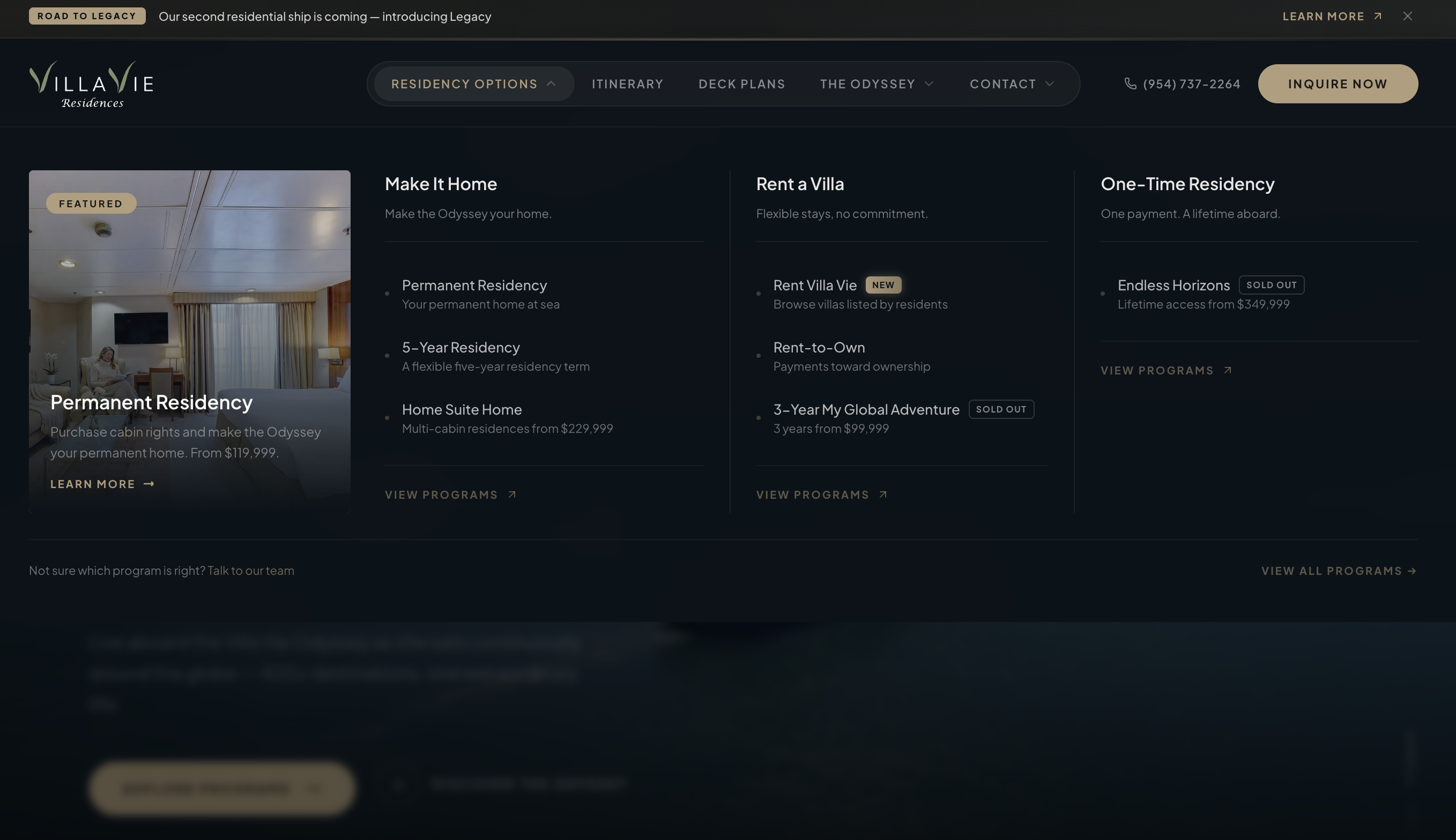
More website screenshots Nov, 26
Villa Vie Odyssey was marketed as a revolutionary approach to retirement and long-term travel.
Rather than booking individual cruises, residents could purchase or lease a cabin aboard a ship that would continually circumnavigate the globe.
The original itinerary was ambitious: a 3½-year journey visiting approximately 425 destinations across 147 countries, with extended stays in ports allowing residents to immerse themselves in local cultures.
The ship would then continue on another global voyage.
For people who loved travelling, the appeal was enormous.
Accommodation, meals, housekeeping, laundry, entertainment and travel were bundled into a lifestyle that promised freedom from many of the responsibilities of living on land.
But this wasn't a conventional cruise holiday.
Residents were making substantial financial commitments, with some purchasing cabins for hundreds of thousands of US dollars, plus ongoing monthly fees.
Some even sold their homes to fund their new lives.
More website screenshots Nov, 26
𝗔𝗻 𝗢𝗹𝗱 𝗦𝗵𝗶𝗽, 𝗕𝘂𝘁 𝗮 𝗡𝗲𝘄 𝗕𝘂𝘀𝗶𝗻𝗲𝘀𝘀
Here's an important distinction.
𝗩𝗶𝗹𝗹𝗮 𝗩𝗶𝗲 𝗢𝗱𝘆𝘀𝘀𝗲𝘆 𝘄𝗮𝘀𝗻'𝘁 𝗮 𝗻𝗲𝘄 𝘀𝗵𝗶𝗽. 𝗜𝘁 𝘄𝗮𝘀 𝗮𝗻 𝗼𝗹𝗱 𝘀𝗵𝗶𝗽 𝗼𝗽𝗲𝗿𝗮𝘁𝗲𝗱 𝗯𝘆 𝗮 𝗿𝗲𝗹𝗮𝘁𝗶𝘃𝗲𝗹𝘆 𝗻𝗲𝘄 𝗿𝗲𝘀𝗶𝗱𝗲𝗻𝘁𝗶𝗮𝗹 𝗰𝗿𝘂𝗶𝘀𝗶𝗻𝗴 𝗯𝘂𝘀𝗶𝗻𝗲𝘀𝘀.
Originally launched in 1993 as Crown Dynasty, the vessel subsequently sailed under several names before becoming Braemar with Fred. Olsen Cruise Lines.
At approximately 24,000 gross tons, she was considerably smaller than today's enormous cruise ships.
For residential cruising, that could actually be an advantage. Smaller ships can offer a more intimate atmosphere, allowing a genuine sense of community to develop among residents.
Villa Vie Residences acquired the vessel and undertook a refurbishment, reportedly costing approximately US$22 million.
However, the company's plans got off to a difficult start.
The original departure was delayed for months while refurbishment and certification work continued in Belfast.
Eventually, on 30 September 2024, Villa Vie Odyssey departed to begin her continuous world voyage.
The dream was finally underway.
𝗪𝗵𝗮𝘁 𝗗𝗶𝗱 𝗜𝘁 𝗖𝗼𝘀𝘁 𝘁𝗼 𝗟𝗶𝘃𝗲 𝗔𝗯𝗼𝗮𝗿𝗱?
The financial commitment varied considerably depending on the cabin, residency arrangement and when residents joined.
In a June 2025 account, cruise journalist Judi Cuervo described advertised ownership arrangements that included:
𝗜𝗻𝘀𝗶𝗱𝗲 𝗰𝗮𝗯𝗶𝗻: Approximately US$129,999 upfront, plus US$4,000 per month for two residents.
𝗩𝗲𝗿𝗮𝗻𝗱𝗮 𝗰𝗮𝗯𝗶𝗻: Approximately US$379,000 upfront, plus US$9,000 per month for two residents.
Other residency packages and payment arrangements were also available.
The monthly fees were intended to cover many everyday living expenses, including meals, utilities, housekeeping and travel.
But one detail of the ownership terms deserves particular attention.
According to Cuervo, the arrangements she reviewed provided for ownership lasting 15 years 𝗼𝗿 𝘁𝗵𝗲 𝗹𝗶𝗳𝗲 𝗼𝗳 𝘁𝗵𝗲 𝘀𝗵𝗶𝗽.
That's an important qualification when the vessel is already more than 30 years old.
Unlike buying a house, purchasing a cabin aboard a residential ship does not necessarily provide an asset with a comparable resale market, lifespan or legal protections.
And if the ship stops operating, what happens to the money you've invested?
𝗧𝗵𝗲 𝗕𝘂𝘀𝗶𝗻𝗲𝘀𝘀 𝗠𝗼𝗱𝗲𝗹:
𝗠𝘆 𝗙𝗶𝗿𝘀𝘁 𝗥𝗲𝗱 𝗙𝗹𝗮𝗴
This is where I started questioning the concept.
The idea of purchasing a cabin for a relatively modest upfront price, compared with the cost of years of conventional cruising, was certainly attractive.
But I couldn't help wondering how the numbers would stack up over the longer term.
A cruise ship is an extraordinarily expensive operation.
Fuel, crew wages, food, insurance, port charges, maintenance, repairs and regulatory requirements all have to be paid for, day after day, year after year.
And an ageing vessel can become increasingly expensive to maintain.
𝗔𝗻 𝘂𝗽𝗳𝗿𝗼𝗻𝘁 𝗽𝗮𝘆𝗺𝗲𝗻𝘁 𝗺𝗶𝗴𝗵𝘁 𝗵𝗲𝗹𝗽 𝗮 𝗰𝗼𝗺𝗽𝗮𝗻𝘆 𝗽𝘂𝗿𝗰𝗵𝗮𝘀𝗲 𝗼𝗿 𝗿𝗲𝗳𝘂𝗿𝗯𝗶𝘀𝗵 𝗮 𝘀𝗵𝗶𝗽, 𝗯𝘂𝘁 𝗶𝘁 𝗱𝗼𝗲𝘀𝗻'𝘁 𝗺𝗮𝗸𝗲 𝘁𝗵𝗲 𝗼𝗻𝗴𝗼𝗶𝗻𝗴 𝗰𝗼𝘀𝘁𝘀 𝗼𝗳 𝗼𝗽𝗲𝗿𝗮𝘁𝗶𝗻𝗴 𝘁𝗵𝗮𝘁 𝘀𝗵𝗶𝗽 𝗱𝗶𝘀𝗮𝗽𝗽𝗲𝗮𝗿.
Presumably, the monthly maintenance fees were intended to cover much of that expenditure.
Yet residents later reported being asked for additional contributions, loans and emergency funding to keep the ship sailing.
That raises a fundamental question.
𝗪𝗮𝘀 𝘁𝗵𝗲 𝗼𝗿𝗶𝗴𝗶𝗻𝗮𝗹 𝗯𝘂𝘀𝗶𝗻𝗲𝘀𝘀 𝗺𝗼𝗱𝗲𝗹 𝗲𝘃𝗲𝗿 𝗳𝗶𝗻𝗮𝗻𝗰𝗶𝗮𝗹𝗹𝘆 𝘀𝘂𝘀𝘁𝗮𝗶𝗻𝗮𝗯𝗹𝗲?
Or did it depend on continuing cabin sales, upfront payments and additional funding to meet its obligations?
Without access to the company's financial records, we cannot know.
But for me, the economics of the proposal raised questions from the outset, long before the events in Cambodia.
𝗧𝗵𝗲 𝗪𝗮𝗿𝗻𝗶𝗻𝗴 𝗦𝗶𝗴𝗻𝘀 𝗪𝗲𝗿𝗲 𝗔𝗹𝗿𝗲𝗮𝗱𝘆 𝗧𝗵𝗲𝗿𝗲
One of the most interesting accounts I've read came from experienced cruise journalist Judi Cuervo, who spent nine days aboard Villa Vie Odyssey during an Alaska sailing in June 2025.
She wasn't reporting on the Cambodia crisis after the event.
She was describing concerns she had observed more than a year earlier.
Although she praised some of the refurbished public areas and the friendliness of the onboard community, she also reported problems with heating, air conditioning, unreliable Wi-Fi and the ship's ageing toilet system.
She described receiving written toilet-use guidelines acknowledging the limitations of the vessel's ageing vacuum system.
There were also complaints about itinerary changes and cancelled destinations, including Antarctica, the Amazon and China.
For residents who had specifically joined to visit those destinations, the disappointment was understandable.
Perhaps more concerning were her accounts of residents who felt uncomfortable speaking openly about problems.
According to Cuervo, some residents privately expressed dissatisfaction while describing social pressure to remain positive about life aboard.
Many residents clearly loved their experience, but a happy onboard community and a financially sustainable cruise operation are two very different things.
𝗔 𝗙𝗮𝗶𝗹𝗲𝗱 𝗦𝗮𝗻𝗶𝘁𝗮𝘁𝗶𝗼𝗻 𝗜𝗻𝘀𝗽𝗲𝗰𝘁𝗶𝗼𝗻
There was another warning sign in July 2025.
Villa Vie Odyssey received a score of 81 out of 100 during a US Centers for Disease Control and Prevention vessel sanitation inspection.
A score of 86 is required for a satisfactory result.
The inspection identified deficiencies involving areas including potable water systems, food handling and maintenance.
While this doesn't establish financial difficulties, it raises questions about operational standards aboard an ageing vessel intended to operate continuously.
𝗪𝗵𝗲𝗻 𝗥𝗲𝘀𝗶𝗱𝗲𝗻𝘁𝘀 𝗪𝗲𝗿𝗲 𝗔𝘀𝗸𝗲𝗱 𝗳𝗼𝗿 𝗠𝗼𝗿𝗲 𝗠𝗼𝗻𝗲𝘆
By 2026, some residents were reporting concerns that went well beyond maintenance and cancelled ports.
American couple Lynn and Paul Montoya, who had sold belongings to pursue their dream of living aboard, described what they believed were growing financial problems.
In interviews with LADbible and the Daily Mail, they alleged that residents had repeatedly been asked to provide additional funds to help the ship continue sailing.
According to their accounts, these included:
An alleged US$2.2 million loan arrangement involving 22 residents.
A reported request to raise US$1 million to enable the ship to depart Ha Long Bay, Vietnam.
Further reported funding requests of US$1.5 million and US$360,000.
The couple also claimed that internet services had been interrupted, food standards had deteriorated and repayments promised under resident loan arrangements had not been received.
These are allegations made by residents, rather than independently verified company financial records.
Nevertheless, they raise a serious question.
𝗔𝘁 𝘄𝗵𝗮𝘁 𝗽𝗼𝗶𝗻𝘁 𝗱𝗼𝗲𝘀 𝗮 𝗿𝗲𝘀𝗶𝗱𝗲𝗻𝘁 𝘀𝘁𝗼𝗽 𝗯𝗲𝗶𝗻𝗴 𝗮 𝗰𝘂𝘀𝘁𝗼𝗺𝗲𝗿 𝗮𝗻𝗱 𝘀𝘁𝗮𝗿𝘁 𝗯𝗲𝗰𝗼𝗺𝗶𝗻𝗴 𝗮𝗻 𝗲𝗺𝗲𝗿𝗴𝗲𝗻𝗰𝘆 𝗳𝗶𝗻𝗮𝗻𝗰𝗶𝗲𝗿 𝗼𝗳 𝘁𝗵𝗲 𝗰𝗼𝗺𝗽𝗮𝗻𝘆 𝗽𝗿𝗼𝘃𝗶𝗱𝗶𝗻𝗴 𝘁𝗵𝗲𝗶𝗿 𝗵𝗼𝗺𝗲?
The Montoyas reportedly invested approximately US$179,000 in their cabin, with their total financial outlay subsequently reaching around US$450,000.
Yet despite everything, they still spoke positively about the extraordinary destinations they had visited and the friendships they had made.
Their experience highlights something important.
The dream itself wasn't necessarily the problem.
It was whether the business could continue delivering it.
𝗖𝗮𝗺𝗯𝗼𝗱𝗶𝗮:
𝗦𝗲𝘃𝗲𝗻 𝗛𝗼𝘂𝗿𝘀 𝘁𝗼 𝗣𝗮𝗰𝗸 𝗨𝗽 𝗧𝗵𝗲𝗶𝗿 𝗟𝗶𝘃𝗲𝘀
In late October 2026, Villa Vie Odyssey was docked in Sihanoukville, Cambodia, when residents received the news that the company was suspending operations.
Approximately 200 residents were affected.
According to reports, they were given around seven hours to leave the ship.
Imagine being thousands of kilometres from home, with your possessions aboard a vessel you believed would be your permanent residence, and suddenly having to find somewhere else to live.
Some residents booked flights home. Others sought temporary accommodation in Cambodia while waiting to learn what would happen next.
Australians were among those affected.
ABC News reported that Brisbane resident Rina Cavazza had paid approximately A$170,000 to live aboard and still had 18 months remaining on her arrangement.
Another Australian, Lisa McKay, had paid more than A$63,000 towards her planned retirement voyage but had not even boarded the ship when operations were suspended.
For those people, the financial consequences could be devastating.
𝗪𝗵𝗮𝘁 𝗪𝗲𝗻𝘁 𝗪𝗿𝗼𝗻𝗴?
Villa Vie Residences attributed the suspension to extraordinary increases in fuel costs.
According to the company, monthly fuel expenses, calculated on a per-cabin basis, had risen from approximately US$1,800 to US$6,000–US$8,000 in parts of Asia.
The company said it had attempted to reduce costs by slowing the itinerary and spending longer in port, but those measures had proved insufficient.
It announced that it would explore restructuring and recapitalisation options over the following 60 days, without guaranteeing that operations would resume.
But residents' accounts suggest that financial pressures may have existed before the latest fuel price increases.
Rising fuel costs may have been the immediate trigger, but they do not, by themselves, explain every problem residents say they experienced beforehand.
And there are still important unanswered questions about the company's financial position, its contingency planning and what protections residents had if operations ceased.
𝗪𝗼𝘂𝗹𝗱 𝗜 𝗛𝗮𝘃𝗲 𝗥𝗲𝗰𝗼𝗺𝗺𝗲𝗻𝗱𝗲𝗱 𝗜𝘁?
Having worked in the travel industry since 1980, I can absolutely understand the attraction of residential cruising.
The idea of travelling the world without continually packing and unpacking is wonderful.
But there is an enormous difference between booking a world cruise with an established operator and committing a substantial part of your savings to a residential cruising venture.
Before making that sort of commitment, I would want to understand the financial position of the operator, the ownership arrangements, maintenance obligations, cancellation provisions and, most importantly, what happens if the company fails.
I would also want to know whether suitable insurance was available and exactly what it covered.
Travel insurance is not a substitute for financial protection, and ordinary policies may not cover the loss of a residential cabin investment or an operator's financial failure.
𝗣𝗲𝗿𝘀𝗼𝗻𝗮𝗹𝗹𝘆, 𝗜 𝘄𝗼𝘂𝗹𝗱 𝗻𝗼𝘁 𝗵𝗮𝘃𝗲 𝗯𝗲𝗲𝗻 𝗰𝗼𝗺𝗳𝗼𝗿𝘁𝗮𝗯𝗹𝗲 𝗿𝗲𝗰𝗼𝗺𝗺𝗲𝗻𝗱𝗶𝗻𝗴 𝘁𝗵𝗶𝘀 𝗮𝗿𝗿𝗮𝗻𝗴𝗲𝗺𝗲𝗻𝘁 𝘄𝗶𝘁𝗵𝗼𝘂𝘁 𝗺𝘂𝗰𝗵 𝗴𝗿𝗲𝗮𝘁𝗲𝗿 𝗰𝗲𝗿𝘁𝗮𝗶𝗻𝘁𝘆 𝗮𝗯𝗼𝘂𝘁 𝘁𝗵𝗼𝘀𝗲 𝗿𝗶𝘀𝗸𝘀.
That doesn't mean residential cruising is inherently a bad idea.
It means the company behind the dream matters just as much as the ship itself.
𝗧𝗵𝗲 𝗣𝗲𝗼𝗽𝗹𝗲 𝗕𝗲𝗵𝗶𝗻𝗱 𝘁𝗵𝗲 𝗛𝗲𝗮𝗱𝗹𝗶𝗻𝗲𝘀
I think it's important not to lose sight of the people caught up in this story.
Some had sold their homes. Others had used retirement savings. Some were travelling alone, while others had built close friendships and a real sense of community aboard.
For them, Villa Vie Odyssey wasn't simply a cruise ship.
𝗜𝘁 𝘄𝗮𝘀 𝗵𝗼𝗺𝗲.
And despite the difficulties, some residents have said they wouldn't trade the experiences they enjoyed.
That's understandable.
Travel can be life-changing, and the opportunity to explore the world over an extended period is something many people only ever dream about.
But the emotional value of those experiences doesn't eliminate the financial consequences when a venture fails to deliver what people believed they were purchasing.
𝗧𝗵𝗲 𝗕𝗶𝗴𝗴𝗲𝗿 𝗟𝗲𝘀𝘀𝗼𝗻 𝗳𝗼𝗿 𝗧𝗿𝗮𝘃𝗲𝗹𝗹𝗲𝗿𝘀
There is an old saying that if something sounds too good to be true, it probably is.
I don't think that's entirely fair in this case. Residential cruising is an appealing concept, and there are different operators and business models offering versions of it.
But extraordinary promises deserve extraordinary scrutiny.
A ship may be seaworthy, beautifully refurbished and full of happy residents, yet the company operating it may still face serious financial challenges.
And when your holiday is also your home, the consequences can be enormous.
𝗠𝘆 𝗮𝗱𝘃𝗶𝗰𝗲? 𝗡𝗲𝘃𝗲𝗿 𝗰𝗼𝗻𝗳𝘂𝘀𝗲 𝗮𝗻 𝗲𝘅𝗰𝗶𝘁𝗶𝗻𝗴 𝘁𝗿𝗮𝘃𝗲𝗹 𝗼𝗽𝗽𝗼𝗿𝘁𝘂𝗻𝗶𝘁𝘆 𝘄𝗶𝘁𝗵 𝗮 𝘀𝗲𝗰𝘂𝗿𝗲 𝗳𝗶𝗻𝗮𝗻𝗰𝗶𝗮𝗹 𝗶𝗻𝘃𝗲𝘀𝘁𝗺𝗲𝗻𝘁.
Ask questions. Understand the risks. Look carefully at the company behind the product, not just the glossy brochures and enticing itineraries.
Because travelling the world should create wonderful memories, not leave you wondering where you're going to sleep tomorrow.
At Holiday World, we've been helping people explore the world since 1995. We love discovering new ways to travel, but we also believe in asking the difficult questions before our clients commit their money.
𝗡𝗮𝗿𝗲𝗹𝗹𝗲 𝗠𝗲𝗹𝗵𝘂𝗶𝘀𝗵
Holiday World | Nelson Bay, Port Stephens
This article reflects publicly available reporting and residents' accounts as at 4 November 2026. Allegations attributed to residents have not been independently verified. The situation remains subject to change.